JACK Meterbridge by Steve Harris is a versatile multichannel Jack metering client. Many different styles of meters with arbitrary channel count may be displayed.
Is it natural, is it artificial? What is “real”, what is synthetic?
This questions apply for sound as well as sweets.
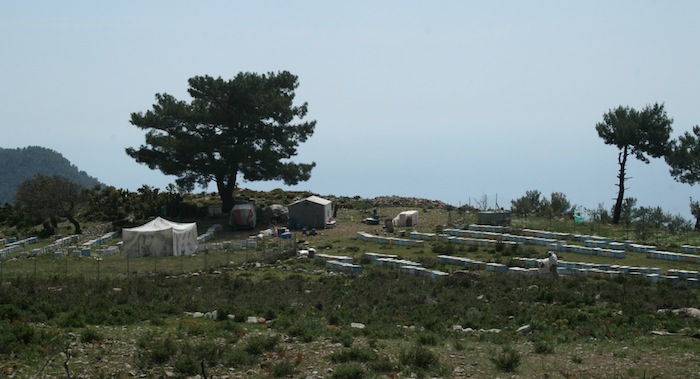
This piece is based on field recordings taken near Fethiye, in the south of Turkey. From the numerous bee yards a whirling sound surrounds you when tracking the Lycian way along the cost.
Chalva is a sweet made with honey. But depending on the recipe, the natural origin might not be clear.
The composition plays with a transition from natural to super synthetic. From pure noise to white tones.
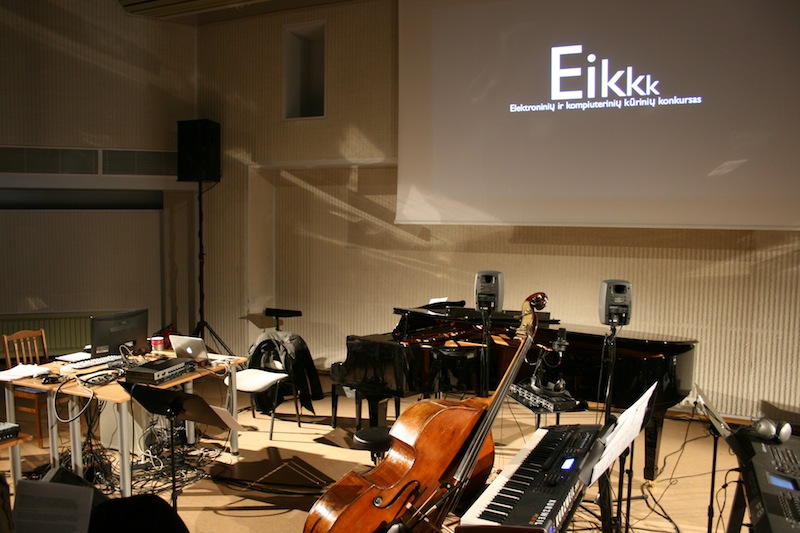
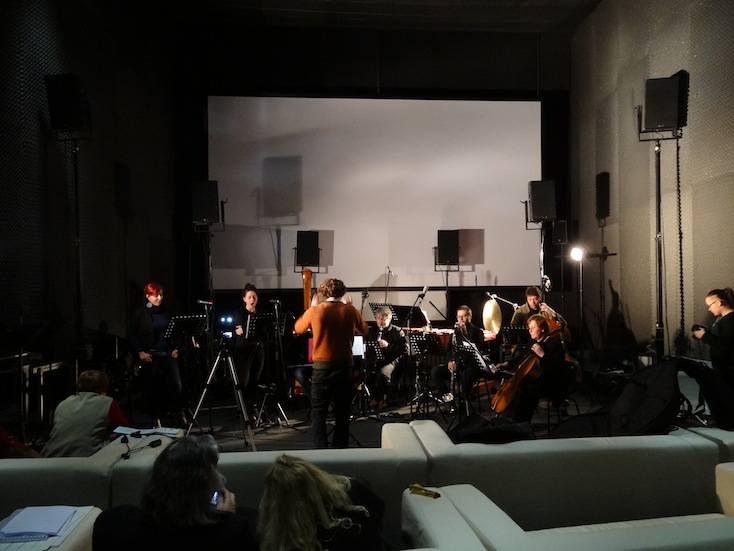
Listen to my tape piece “Chalva” done for the Eikkk Electronic and Computer Music Competition (Elektroninių ir kompiuterinių kūrinių konkursas) in April 2013 in Vilnius. Quadrophonic piece rendered to Binaural Stereo.
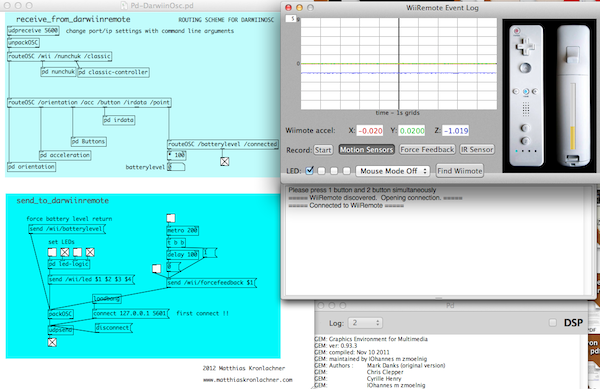
I fixed the program DarwiinRemote for Mac OS 10.8 (Mountain Lion) and added Open Sound Control (OSC) support for the most recent version. Download it here:
DarwiinRemoteOSC allows to connect via Bluetooth to the WiiRemote controller. It also supports Nunchuk, Classic Controller and Balance Board.
All data from the Wii Controller is forwarded via OSC. IP and Port can be changed by command line argument. OSC can be sent to DarwiinRemoteOSC to turn on Force Feedback, LEDs and retrieve Battery status.
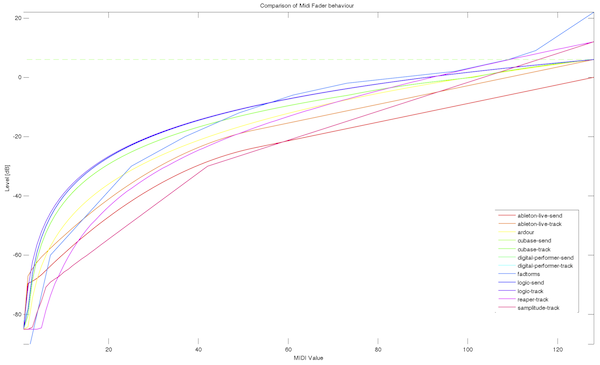
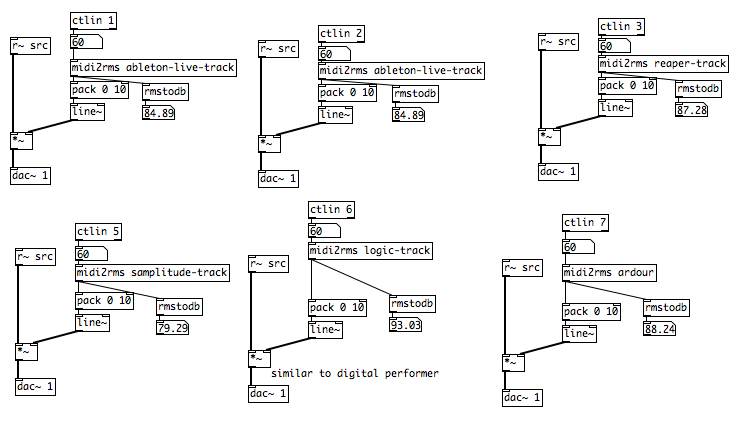
A very crucial and maybe often underestimated point for working with (volume) faders, especially in live electronics application is their curve/behavior. Which range does it cover? How fast does “it” get “loud”. What is the behavior around the +0 dB mark?
I sampled the midi volume fader behavior from several of the most popular Digital Audio Workstations. The difference is quite obvious as you can see in the graph to the right.
I made a Pure Data abstraction as replacement for the frequently used [fadtorms] or [dbtorms]. In connection with the .txt sample files it can be used to scale your midi fader input.
Get the abstraction including sample files and Matlab plots here:
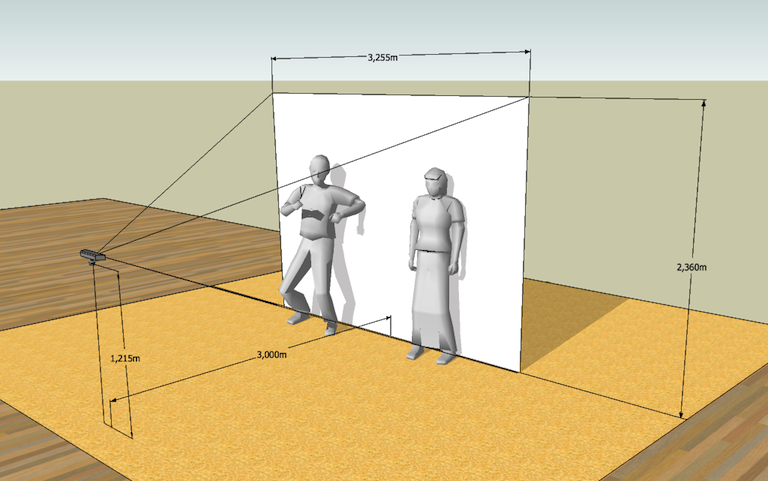
I finished my project thesis including general information about the Microsoft Kinect sensor device as well as a detailed documentation about it’s application in combination with Pure Data and Gem.
This document might be useful for people working with the Kinect in combination with interactive sound and video installations and performances.
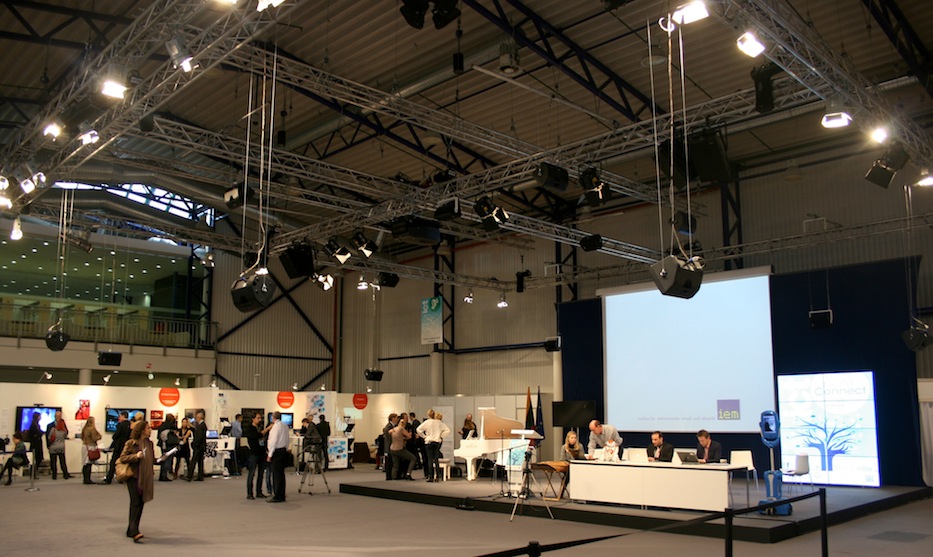
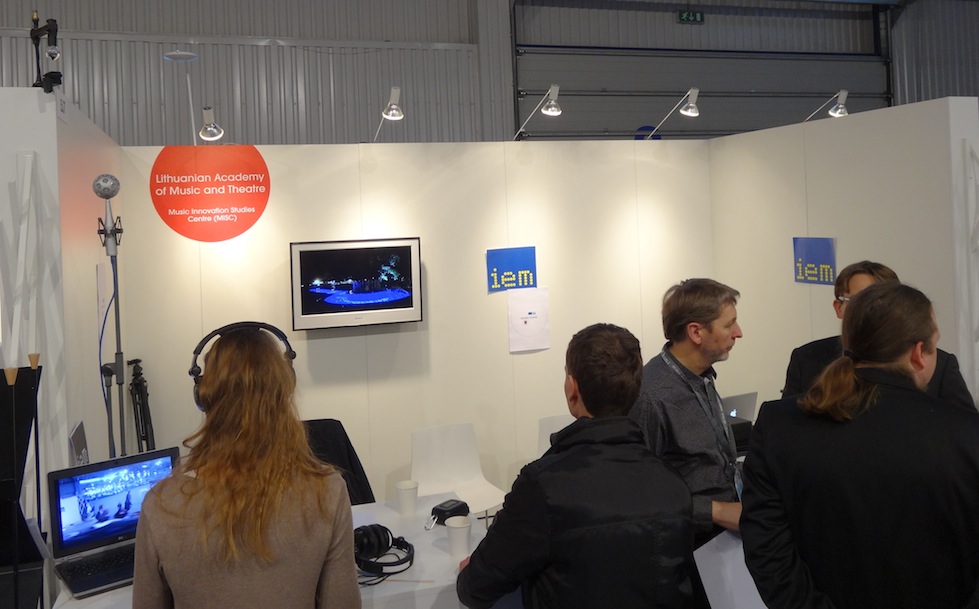
The Music Innovation Studies Centre Vilnius (MiSC) [1] in cooperation with the Institute of Electronic Music and Acoustics (IEM) Graz [2] received the award for the best art exhibit at the Information and Communication Technology fare from the European Commission in Vilnius.
The team from MiSC set up a sound sphere with 15 loudspeakers around and above the stage area.
Demonstrations about the Ambisonics spatialization technology and compositions by Gerriet K. Sharma [3] and Jurgis Jarašius on stage as well as the Eigenmike® beamforming in combination with the 360deg “extended view” [4] camera by Marian Weger and Peter Venus convinced the audience.

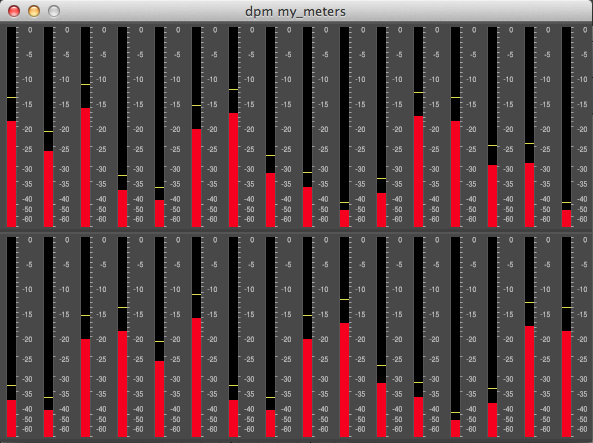 JACK Meterbridge by Steve Harris is a versatile multichannel Jack metering client. Many different styles of meters with arbitrary channel count may be displayed.